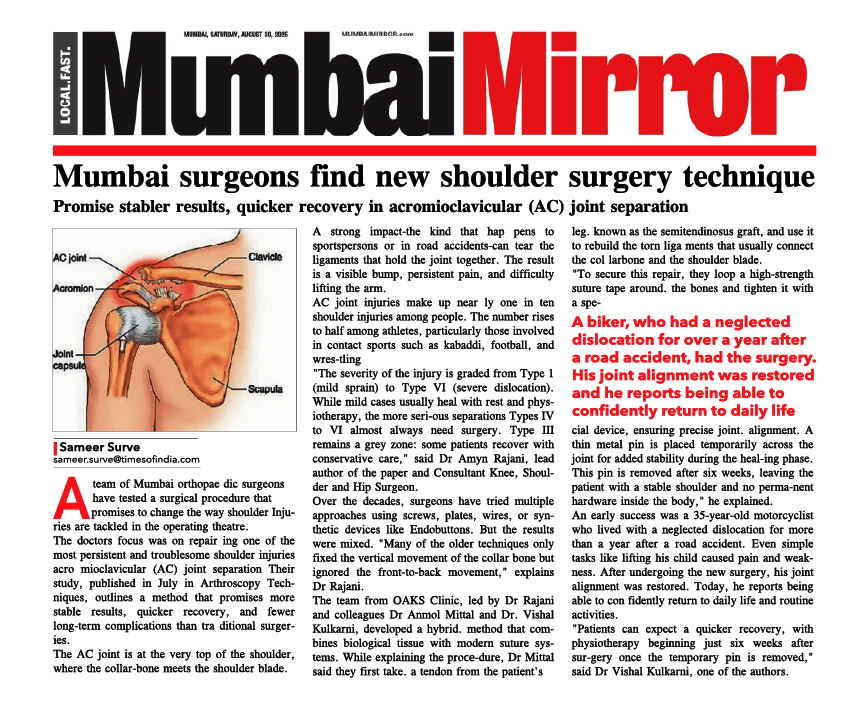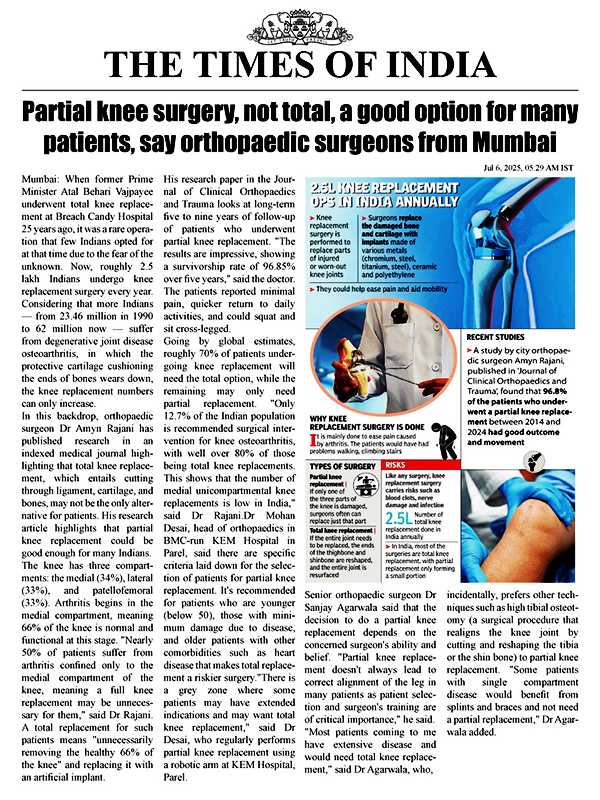
Knee instability is a condition that can significantly affect mobility, confidence, and quality of life. Many patients describe it as a feeling of the knee “giving way,” buckling suddenly, or feeling loose while walking, climbing stairs, running, or playing sports. While some people experience occasional instability after a minor injury, others suffer from chronic knee weakness due to ligament tears, cartilage damage, arthritis, or sports injuries.
Ignoring knee instability can lead to worsening joint damage, repeated falls, cartilage wear, and long-term arthritis. Whether you are an athlete recovering from a sports injury or someone struggling with knee pain during everyday activities, early diagnosis and treatment are extremely important.
Patients searching for the best knee surgeon in Mumbai, the best knee specialist in Mumbai, or the best knee doctor in Mumbai often seek advanced treatment options that combine minimally invasive techniques, robotic surgery, arthroscopy, and personalized rehabilitation.
Dr. Amyn Rajani is widely recognized for his expertise in knee arthroscopy, sports injuries, robotic knee replacement, and ligament reconstruction procedures. His approach focuses on accurate diagnosis, joint preservation, minimally invasive surgery, and faster recovery to help patients regain mobility and confidence.
Learn more about:
What is Knee Instability?
Knee instability refers to a condition where the knee feels weak, loose, or unable to properly support the body during movement. Patients may experience:
- Sudden buckling of the knee
- Feeling of the knee slipping out of place
- Difficulty maintaining balance
- Fear while walking or climbing stairs
- Instability during sports activities
Knee instability can occur due to:
- Ligament injuries
- Meniscus tears
- Cartilage damage
- Arthritis
- Muscle weakness
- Previous knee surgeries
- Sports injuries
This condition can affect both young athletes and older adults. If left untreated, it may lead to worsening joint damage and chronic pain.
Common Causes of Knee Instability
ACL Tears
ACL (Anterior Cruciate Ligament) injuries are one of the most common causes of knee instability, especially among athletes and active individuals.
ACL injuries frequently occur during:
- Football
- Cricket
- Basketball
- Running
- Gym workouts
- Sudden twisting movements
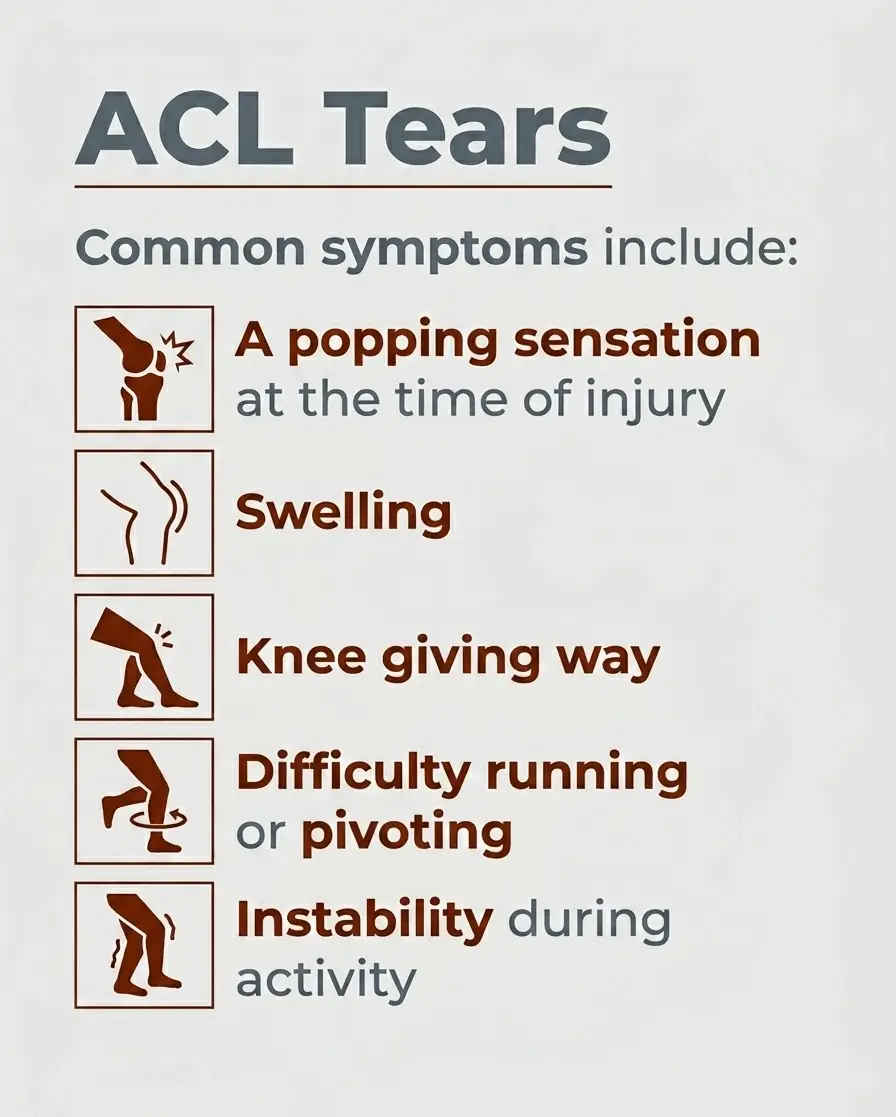
Common symptoms include:
- A popping sensation at the time of injury
- Swelling
- Knee giving way
- Difficulty running or pivoting
- Instability during activity
ACL injuries often require specialized treatment to restore knee stability and sports performance.
Learn more:
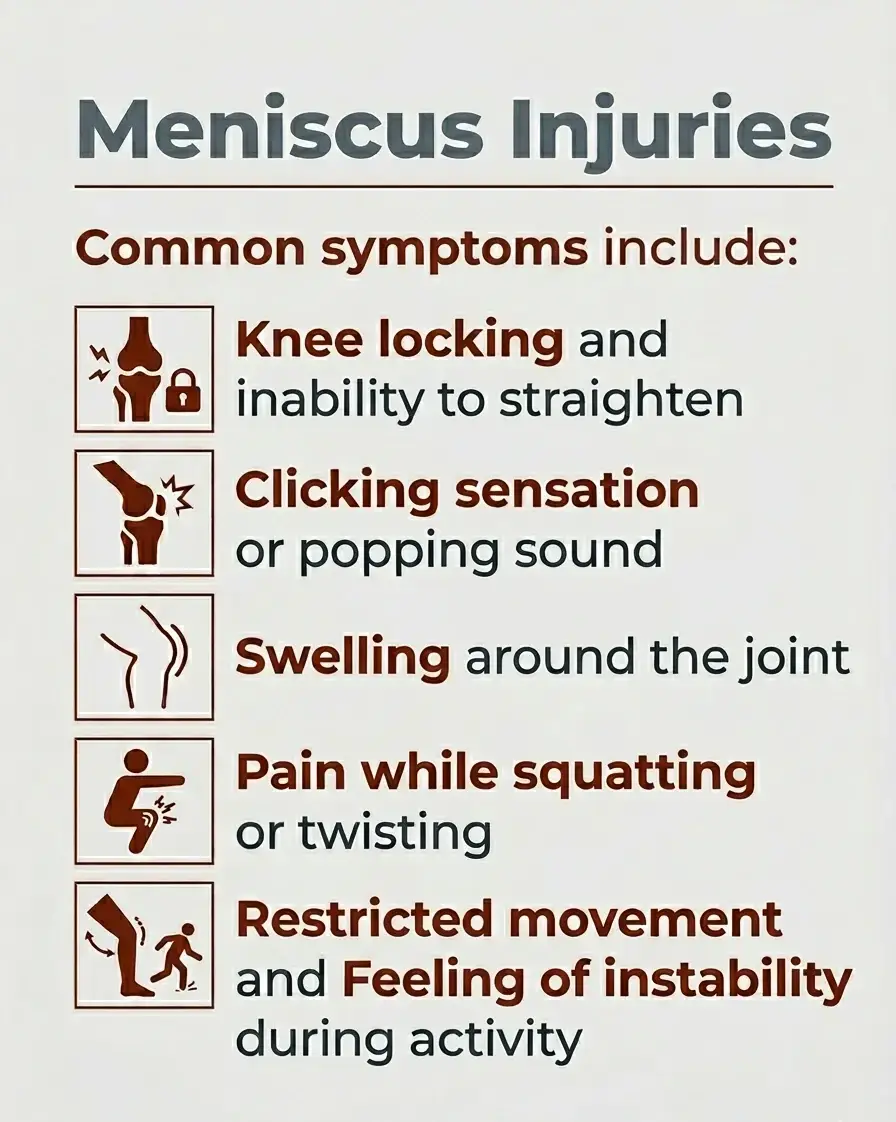
Meniscus Injuries
The meniscus acts as a cushion and shock absorber inside the knee joint. Meniscus tears are common in sports injuries and age-related degeneration.
Symptoms may include:
- Knee locking
- Clicking sensation
- Swelling
- Pain while squatting
- Restricted movement
- Feeling of instability
Meniscus injuries should be evaluated early to prevent cartilage damage and worsening arthritis.
Explore:
Knee Arthritis
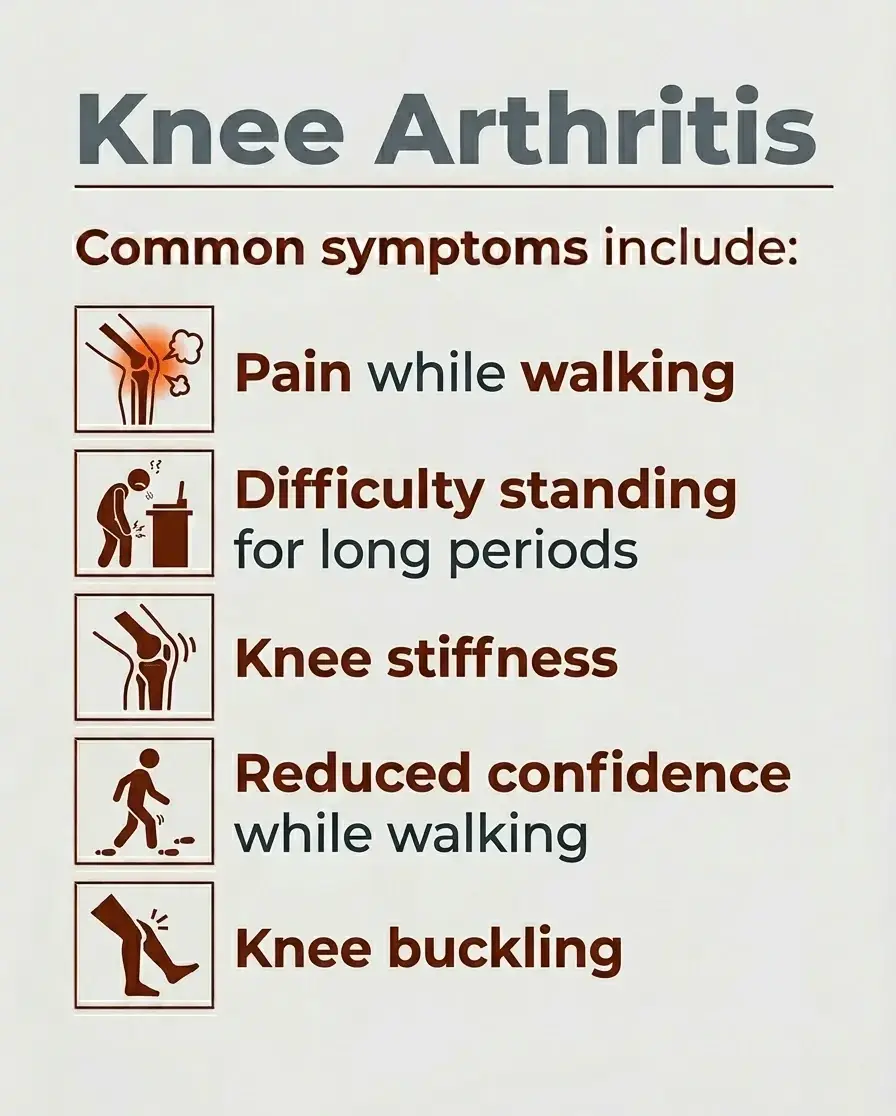
As arthritis progresses, cartilage damage and joint degeneration may cause weakness and instability in the knee.
Patients with arthritis often experience:
- Pain while walking
- Difficulty standing for long periods
- Knee stiffness
- Reduced confidence while walking
- Knee buckling
In advanced arthritis cases, knee replacement surgery may be required to restore mobility and stability.
Learn more:
Robotic-assisted surgery helps improve precision, alignment, and implant positioning during knee replacement procedures.
Patellar Instability
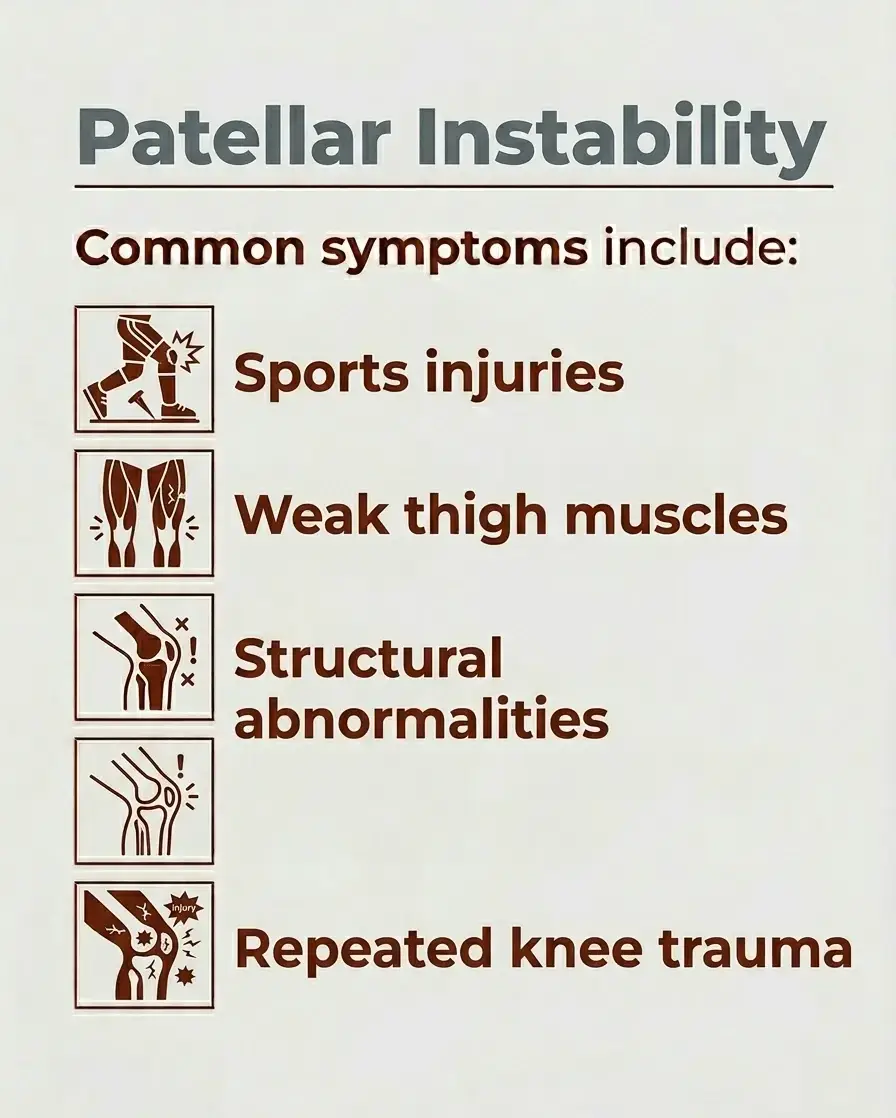
Patellar instability occurs when the kneecap shifts or dislocates from its normal position.
Common causes include:
- Sports injuries
- Weak thigh muscles
- Structural abnormalities
- Repeated knee trauma
Patients may experience:
- Knee pain
- Sudden shifting sensation
- Difficulty bending the knee
- Fear of movement
Early diagnosis is important to prevent repeated dislocations and cartilage damage.
Symptoms of Knee Instability
Many patients initially ignore symptoms of instability until the condition worsens.
Common symptoms include:
- Knee giving way suddenly
- Feeling of looseness
- Popping or clicking sounds
- Swelling
- Difficulty climbing stairs
- Pain during sports activities
- Fear of falling
- Difficulty walking on uneven surfaces
These symptoms should never be ignored, especially after sports injuries or repeated twisting episodes.
How Knee Instability is Diagnosed
An accurate diagnosis is essential for successful treatment.
Diagnosis usually includes:
- Detailed physical examination
- Ligament stability tests
- MRI scans
- X-rays
- Evaluation of cartilage and meniscus injuries
- Assessment of muscle strength and joint alignment
Consulting the best knee specialist in Mumbai helps ensure proper evaluation and personalized treatment planning.
Treatment Options for Knee Instability
Non-Surgical Treatment
Some mild or early cases of knee instability can be managed without surgery.
Treatment options may include:
- Physiotherapy
- Muscle strengthening exercises
- Knee braces
- Activity modification
- Weight management
- Anti-inflammatory medications
- Injections
Strengthening the muscles around the knee often improves joint stability and reduces pain.
Arthroscopic Surgery
Arthroscopy is a minimally invasive procedure used to diagnose and treat knee injuries through small incisions.
Benefits of arthroscopy include:
- Smaller scars
- Reduced pain
- Faster recovery
- Shorter hospital stay
- Early rehabilitation
Arthroscopy is commonly used for:
- ACL reconstruction
- Meniscus repair
- Cartilage treatment
- Ligament injuries
Explore:
ACL Reconstruction Surgery
Patients with complete ACL tears often require reconstruction surgery to restore knee stability.
The procedure helps:
- Restore knee function
- Improve stability
- Prevent repeated buckling
- Support return to sports
Learn more:
Robotic Knee Replacement Surgery
Patients with advanced arthritis and severe instability may benefit from robotic-assisted knee replacement surgery.
Benefits may include:
- Improved implant positioning
- Better alignment
- Greater surgical precision
- Faster rehabilitation in selected patients
Explore:
Why Patients Choose Dr. Amyn Rajani for Knee Problems
Patients searching for the best knee doctor in Mumbai often seek a surgeon with expertise in sports injuries, arthroscopy, robotic surgery, and joint preservation procedures.
Dr. Amyn Rajani specializes in:
- Knee arthroscopy
- ACL reconstruction
- Meniscus repair
- Sports injury treatment
- Robotic knee replacement
- Joint preservation surgery
With over 20 years of orthopaedic experience, he combines advanced technology with patient-focused care and rehabilitation planning.
Learn more:
Can Knee Instability Be Prevented?
While not all injuries can be prevented, certain measures can reduce the risk of instability and ligament injuries.
Preventive strategies include:
- Regular muscle strengthening
- Proper sports training
- Warm-up exercises
- Weight management
- Early treatment of knee injuries
- Balance and flexibility training
Athletes should avoid ignoring repeated knee pain or instability symptoms.
When Should You Consult a Knee Specialist?
You should consult a knee specialist if you experience:
- Repeated knee buckling
- Swelling after activity
- Knee locking
- Pain while walking
- Difficulty climbing stairs
- Sports-related knee injuries
- Feeling of instability during movement
Early treatment may help prevent long-term cartilage damage and arthritis.
Book a Consultation with Dr. Amyn Rajani
If you are experiencing knee instability, ligament injuries, sports-related knee pain, or arthritis-related weakness, early consultation can help improve recovery outcomes and restore mobility.
Dr. Amyn Rajani provides advanced treatment for:
- ACL injuries
- Meniscus tears
- Sports injuries
- Knee arthritis
- Knee instability
- Robotic knee replacement surgery
Explore:
Early diagnosis and expert treatment can help you regain confidence, mobility, and return to an active lifestyle safely.
FAQs
What causes knee instability?
Knee instability may occur due to ligament injuries, meniscus tears, arthritis, muscle weakness, or sports injuries.
Why does my knee feel like it is giving way?
This may indicate ligament damage, cartilage injury, or muscle weakness affecting joint stability.
Can ACL tears cause knee instability?
Yes. ACL injuries are one of the most common causes of knee buckling and instability.
Is knee instability serious?
If untreated, knee instability can lead to repeated falls, cartilage damage, and worsening arthritis.
Can physiotherapy help unstable knees?
Yes. Strengthening exercises and rehabilitation may improve knee stability in selected cases.
When is surgery needed for knee instability?
Surgery may be required for severe ligament tears, repeated instability, meniscus injuries, or advanced arthritis.
What is knee arthroscopy?
Knee arthroscopy is a minimally invasive procedure used to diagnose and treat knee injuries through small incisions.
Who is the best knee surgeon in Mumbai?
Patients often look for experienced specialists with expertise in arthroscopy, sports injuries, robotic surgery, and knee replacement procedures.