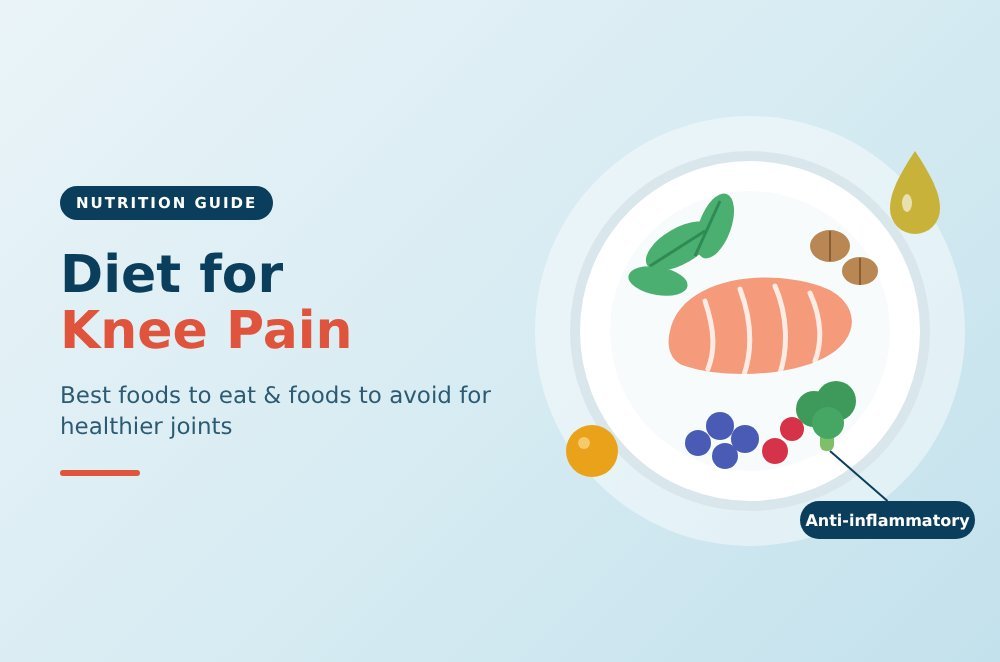
If you have been dealing with persistent knee pain, what you eat may be playing a bigger role than you realise. Diet for knee pain is not a cure, but evidence increasingly shows that certain foods can help reduce joint inflammation while others can quietly make things worse.
A 2024 study published in Arthritis Care & Research found that patients who followed pro-inflammatory diets had significantly worse knee pain over a 10-year follow-up period. The researchers noted that anti-inflammatory foods for joint pain may form a meaningful part of a comprehensive management approach.
This article covers the best foods for knee pain, the foods to avoid for knee pain, the best diet for knee arthritis, and how dietary changes fit alongside medical care.
Why Diet Matters for Knee Pain
The knee joint is surrounded by synovial tissue that responds to systemic inflammation. When the body is in a chronically inflamed state, often fuelled by poor diet, the joint lining becomes more reactive. This can increase swelling, stiffness, and pain.
Body weight also matters directly. Every extra kilogram adds approximately 3 to 4 kilograms of pressure across the knee with each step. A 2023 systematic review in Nutrition and Dietetics found that Western-style diets, high in processed foods, increased the risk of worsening symptomatic osteoarthritis, while anti-inflammatory and Mediterranean dietary patterns showed the opposite effect.
Another review published in Nutrients (2023) concluded that the Mediterranean diet had the strongest evidence for improving pain, stiffness, and inflammation markers in osteoarthritis patients across multiple systematic analyses.
Diet alone will not reverse joint damage. But consistent dietary choices can reduce the inflammatory burden on the joint and may improve knee pain rehabilitation outcomes over time.
Best Foods for Knee Pain
The foods that help knee pain share a few things in common. They tend to be rich in omega-3 fatty acids, fibre, antioxidants, or specific micronutrients that support joint health and reduce systemic inflammation.
Fatty Fish
Salmon, mackerel, sardines, and trout are among the best foods for knee pain because of their high omega-3 content. Omega-3 fatty acids, particularly EPA and DHA, reduce the production of inflammatory compounds in the body. Aim for two portions of oily fish per week, as recommended by the NHS.
Leafy Green Vegetables
Spinach, kale, and broccoli are rich in vitamin C and K, both of which support cartilage maintenance. Broccoli also contains sulforaphane, a compound that may suppress certain inflammatory pathways associated with knee osteoarthritis.
Olive Oil
Extra virgin olive oil contains oleocanthal, a natural compound that works similarly to ibuprofen in blocking inflammatory enzymes. It is a staple of the Mediterranean diet and one of the better replacements for vegetable oils in daily cooking.
Nuts and Seeds
Walnuts, flaxseeds, and chia seeds provide plant-based omega-3s and fibre. Both are useful anti-inflammatory foods for joint pain. A small handful daily is generally enough.
Turmeric
Curcumin, the active compound in turmeric, has been studied for its effect on joint inflammation. A review published in Nutrients (2024) noted that curcumin and polyphenols showed anti-inflammatory effects in both preclinical and some clinical studies on knee osteoarthritis. Results vary between individuals and studies, so it is best viewed as a supportive addition rather than a primary treatment.
Berries
Blueberries, strawberries, and cherries contain polyphenols and anthocyanins. These compounds have shown some antioxidant activity relevant to joint inflammation in early research. They are also a good substitute for sugary desserts.
Whole Grains
Oats, brown rice, and wholemeal bread contribute dietary fibre, which was found in a 2023 systematic review to be associated with reduced progression of knee pain. Fibre also supports a healthy gut microbiome, which may influence systemic inflammation levels.
Vitamin D and Calcium Sources
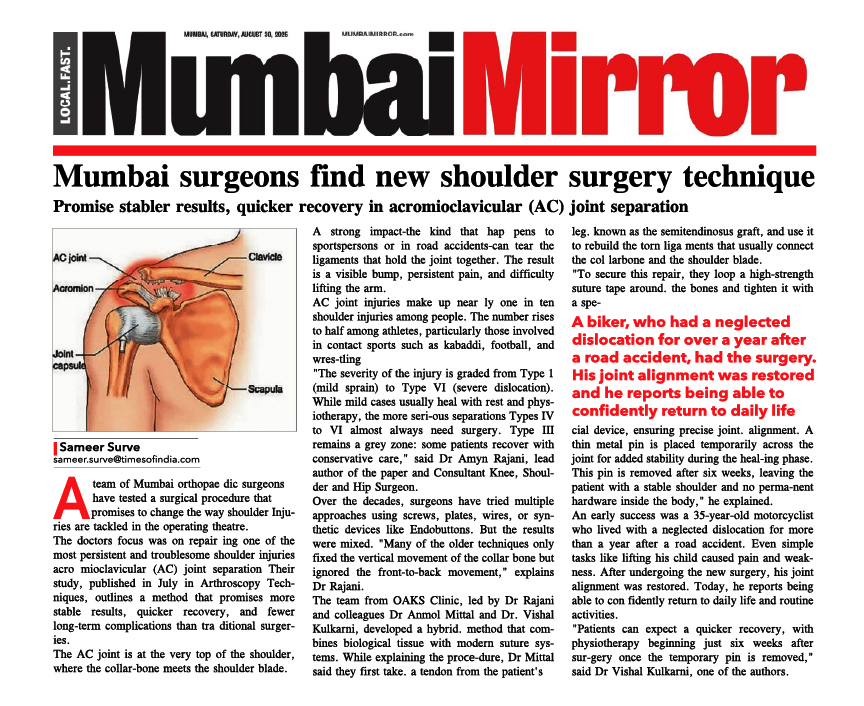
Bone and joint health require adequate vitamin D and calcium. Dairy products, fortified plant milks, and eggs contribute to calcium intake. Vitamin D is harder to obtain from food alone. Checking your vitamin D levels before and after surgery is something Dr Amyn Rajani’s research has highlighted as clinically important, which is discussed further below.
Foods to Avoid for Knee Pain
Just as some foods can help calm inflammation, others consistently appear to worsen it. These are the main foods to avoid for knee pain.
Added Sugar and Sugary Drinks
Refined sugar triggers the release of cytokines, which are proteins that promote inflammation. Fizzy drinks, packaged desserts, fruit juices with added sugar, and breakfast cereals with high sugar content all fall into this category. Natural sugars found in whole fruit are generally less problematic.
Processed and Ultra-Processed Foods
Chips, ready meals, packaged snacks, and processed meats contain refined grains, added salt, preservatives, and unhealthy fats. The 2023 systematic review in Nutrition and Dietetics found that Western dietary patterns, which are heavy in processed foods, were associated with increased progression of symptomatic osteoarthritis.
Red and Processed Meat
Red meat contains omega-6 fatty acids and arachidonic acid, which can contribute to inflammation when consumed in excess. Processed meats such as sausages, bacon, and deli cuts have additional nitrates and other compounds linked to raised inflammatory markers. Lean cuts in moderation are less concerning than processed varieties.
Fried Foods
Deep-fried food and foods cooked in partially hydrogenated oils produce trans fats and advanced glycation end-products (AGEs). AGEs accumulate in joint tissue over time and are associated with increased cartilage stiffness and joint inflammation. Cooking at home using olive oil, baking, or steaming is a straightforward switch.
Alcohol
Regular alcohol consumption raises inflammatory markers and can worsen gout, which is one common cause of acute knee pain. Beer in particular is high in purines, which increase uric acid levels. Occasional, moderate consumption is less likely to cause significant harm, but daily or heavy drinking can clearly worsen joint symptoms.
High-Salt Foods
Excess salt is linked to increased synovial inflammation. Canned soups, processed cheeses, and salty packaged foods are common contributors. Reducing processed food intake is usually the most effective way to lower salt intake without tracking every meal.
Best Diet for Knee Arthritis
Among the various dietary approaches studied, the Mediterranean diet has the strongest evidence for managing knee arthritis symptoms. Multiple systematic reviews, including a 2023 umbrella review in Nutrients, found it improved pain, stiffness, and inflammatory biomarkers in osteoarthritis patients.
The Mediterranean approach is practical and does not require extreme restriction. It focuses on:
- Vegetables and fruit as the base of most meals
- Whole grains such as oats, barley, and wholemeal bread
- Oily fish two to three times per week
- Legumes such as lentils, chickpeas, and beans as regular protein sources
- Extra virgin olive oil as the primary cooking fat
- Limited red meat, typically fewer than two portions per week
- Low to moderate dairy, preferring yoghurt and cheese over processed dairy
- Minimal processed foods, sugar, and alcohol
Another complementary approach is a whole-food, predominantly plant-based diet. The same 2023 review in Nutrition and Dietetics found that higher fibre intake, which is naturally higher in plant-rich diets, was associated with reduced knee pain progression. This does not mean eliminating all animal products. It means putting vegetables, legumes, and whole grains at the centre of meals and treating meat as a smaller component.
For those with knee arthritis, keeping a simple food diary for two to four weeks can help identify whether specific foods such as red meat, alcohol, or wheat worsen their personal symptoms. Responses vary between individuals.
Practical daily starting points:
- Swap refined white bread and rice for wholegrain versions
- Replace cooking oils with extra virgin olive oil
- Add one oily fish meal per week, then build to two
- Reduce fizzy drinks and replace with water or herbal tea
- Cut processed snacks and replace with nuts, seeds, or fruit
Research Insight: Dr Amyn Rajani on Nutrition and Knee Surgery Outcomes
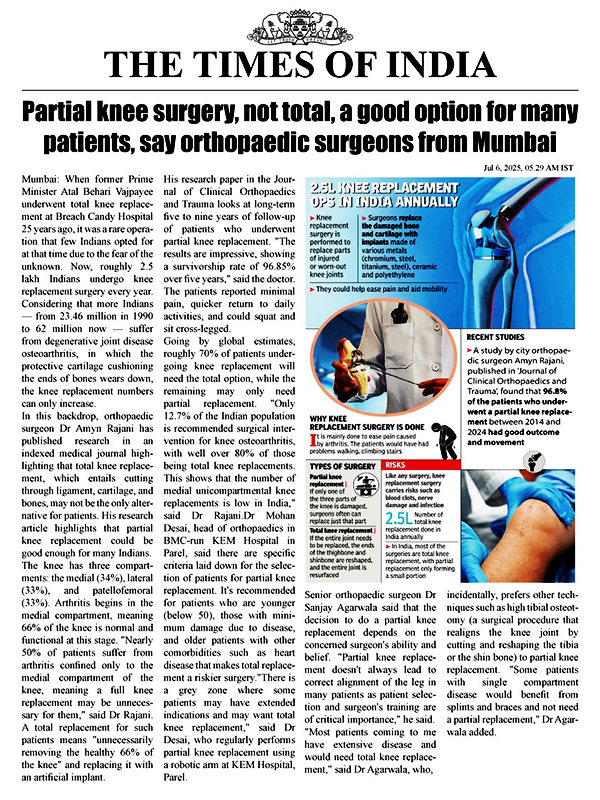
Dr Amyn Rajani is a Consultant Knee, Shoulder, and Hip Surgeon based in Mumbai. He is affiliated with Breach Candy Hospital, Saifee Hospital, and PD Hinduja Hospital, and has published over 25 peer-reviewed papers across orthopaedic and arthroscopy journals.
One of his published studies is directly relevant to the connection between nutrition and knee pain. In a study published in the Malaysian Orthopaedic Journal (June 2024), Dr Rajani and his co-authors examined the role of pre-operative correction of Vitamin D3 deficiency in controlling post-operative bone pain after unicompartmental knee arthroplasty.
The findings suggested that patients whose Vitamin D3 deficiency was corrected before surgery experienced better pain outcomes after their partial knee replacement. This is clinically significant because it points to a nutritional variable, namely Vitamin D status, directly affecting a patient’s pain experience after knee surgery.
For patients managing knee pain without surgery, the same principle applies. Low vitamin D levels are common, particularly in people who spend limited time outdoors or follow restrictive diets. Getting vitamin D levels checked via a simple blood test, and correcting any deficiency through diet or supplementation on a doctor’s advice, may be a worthwhile step in managing knee pain.
Dr Rajani’s full list of scientific publications is available on his clinic website for patients who wish to review his research.
Diet Alongside Medical Treatment
Diet for knee pain works best as part of a wider approach, not as a standalone solution. It is worth being clear about what dietary changes can and cannot do.
Diet can help by reducing systemic inflammation, supporting a healthier body weight, and providing the nutrients joints need to function well. These are real, meaningful contributions. Patients who make consistent dietary changes alongside their medical treatment often report improved energy, less bloating, and sometimes a modest reduction in joint stiffness.
Diet cannot reverse structural damage to cartilage, repair torn ligaments, or replace the role of physiotherapy and medical management. If your knee pain is limiting daily activities, disturbing sleep, or is accompanied by swelling that does not settle, that warrants an orthopaedic review.
Conditions such as knee osteoarthritis, ligament injuries, bursitis, and meniscus tears all require proper diagnosis. An experienced surgeon can advise on whether dietary adjustment is an appropriate complementary measure, whether knee rehabilitation is the primary recommendation, or whether a structural intervention is needed.
If you are preparing for or recovering from knee surgery, speak with your surgeon about your nutritional status, particularly Vitamin D levels, as this may influence your surgical outcome.
FAQs about Diet for Knee Pain
What is the best diet for knee pain?
The Mediterranean diet has the strongest evidence among dietary approaches for reducing knee pain and stiffness. It emphasises oily fish, vegetables, whole grains, legumes, and olive oil, while limiting processed foods and red meat.
Which foods reduce knee pain quickly?
No food provides instant knee pain relief. However, reducing processed foods and added sugars while increasing fatty fish and vegetables is a practical first step. Noticeable changes in inflammation may take four to eight weeks of consistent dietary adjustment.
Are there specific anti-inflammatory foods for joint pain?
Yes, salmon, sardines, walnuts, flaxseeds, extra virgin olive oil, broccoli, berries, and turmeric all have anti-inflammatory properties, the evidence for which varies. These anti-inflammatory foods for joint pain work best as part of a sustained dietary pattern rather than as isolated additions.
Can diet replace knee treatment or surgery?
A diet aimed at relieving knee pain may help as part of treatment but will not be able to repair any structural damage, torn ligaments, or worn cartilage. In cases where the pain is severe, getting worse, or having an effect on everyday life, a visit to a doctor is necessary.
Does body weight affect knee arthritis?
Certainly. Whenever there is an extra kilogram, this results in several kilograms of force being transmitted to the knee when walking. In the case of patients who have knee arthritis, a modest decrease in body weight, such as 5 to 10 percent, can make a significant difference in reducing joint load and pain.
Should I take supplements for knee pain?
It’s a good idea to have your vitamin D levels tested since deficiency is common and can have an effect on joint pain, especially in the context of surgery. As for other supplements such as glucosamine and chondroitin, the evidence is still mixed. You should always get advice from your doctor before beginning any supplement.