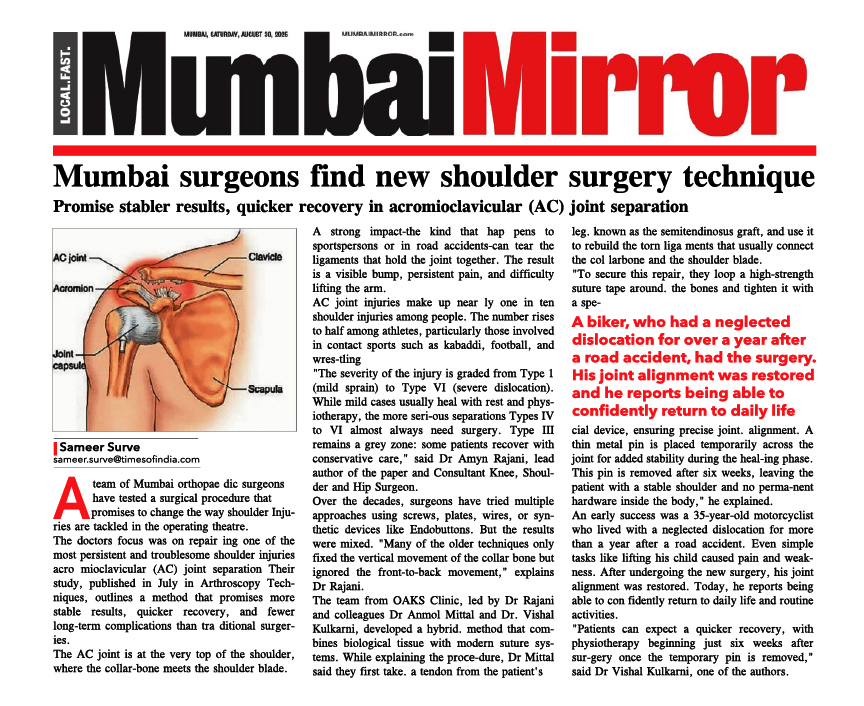
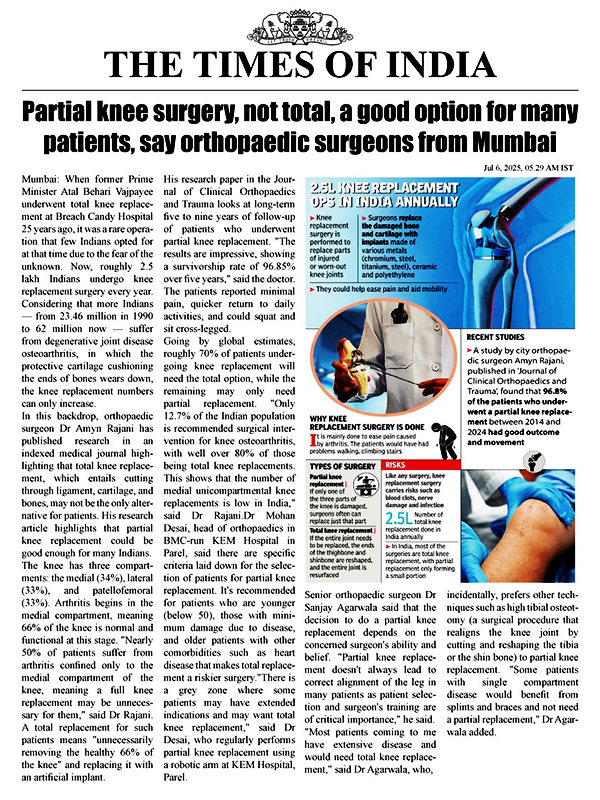
Knee stuck and won’t bend or straighten? Learn what causes a locked knee, true vs pseudo-locking, how to unlock it safely and when surgery is needed.
Read More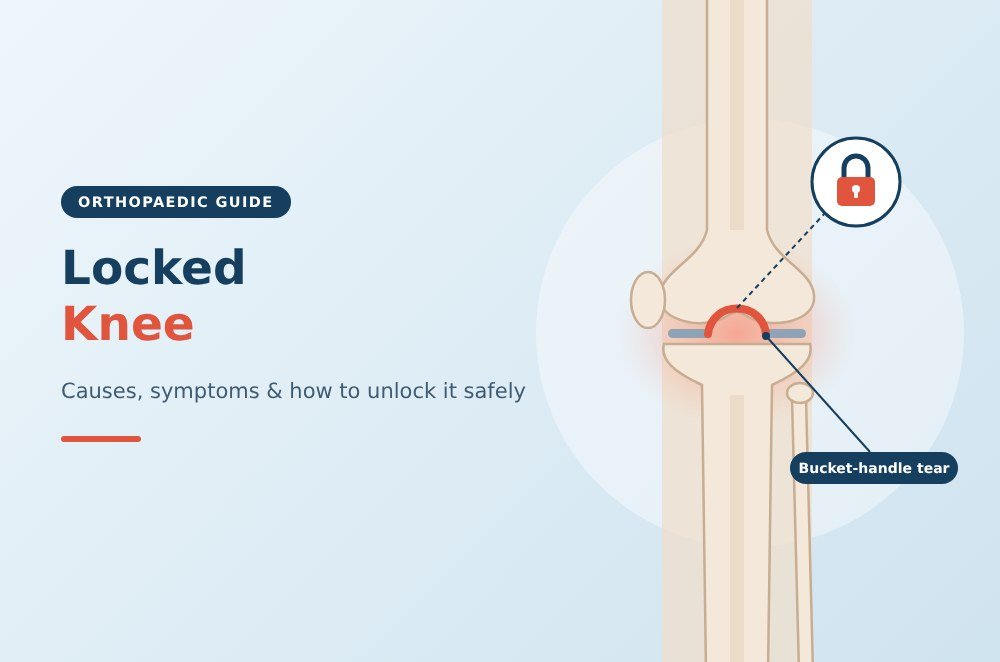

Dr. Amyn Rajani
M.S. (Orth), Gold Medallist, University of Mumbai
Consultant Knee, Shoulder & Hip Surgeon
Robotic Joint Replacement, Arthroscopy & Sports Injury
Knee stuck and won’t bend or straighten? Learn what causes a locked knee, true vs pseudo-locking, how to unlock it safely and when surgery is needed.
Read More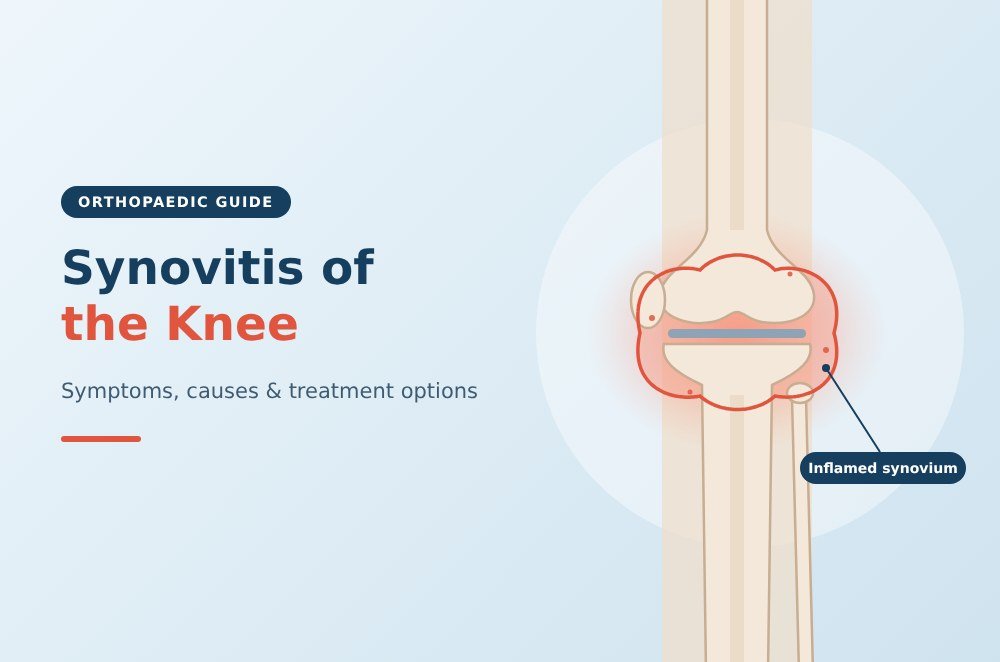
Knee synovitis is inflammation of the knee joint lining. Learn its symptoms, causes, diagnosis, treatment options and safe exercises for recovery.
Read More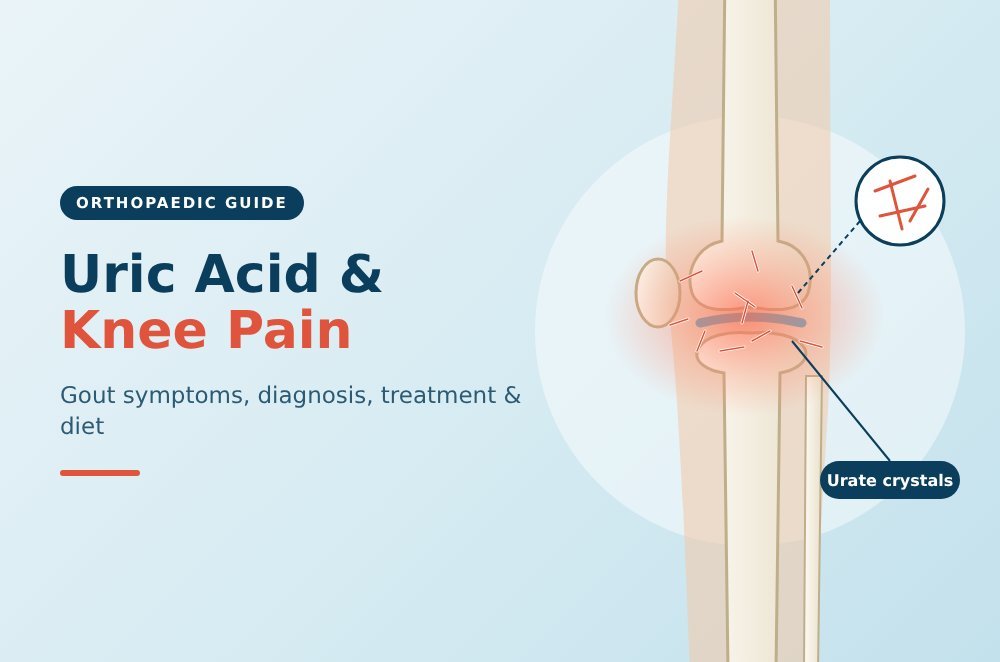
Yes, uric acid can cause knee pain, and it does so in a very specific way. When uric acid levels in the blood stay elevated for too long, needle-shaped crystals form and settle inside joints. The knee is one of the more commonly affected joints, and when those crystals trigger inflammation, the pain can be…
Read More
If you have been dealing with persistent knee pain, what you eat may be playing a bigger role than you realise. Diet for knee pain is not a cure, but evidence increasingly shows that certain foods can help reduce joint inflammation while others can quietly make things worse. A 2024 study published in Arthritis Care…
Read More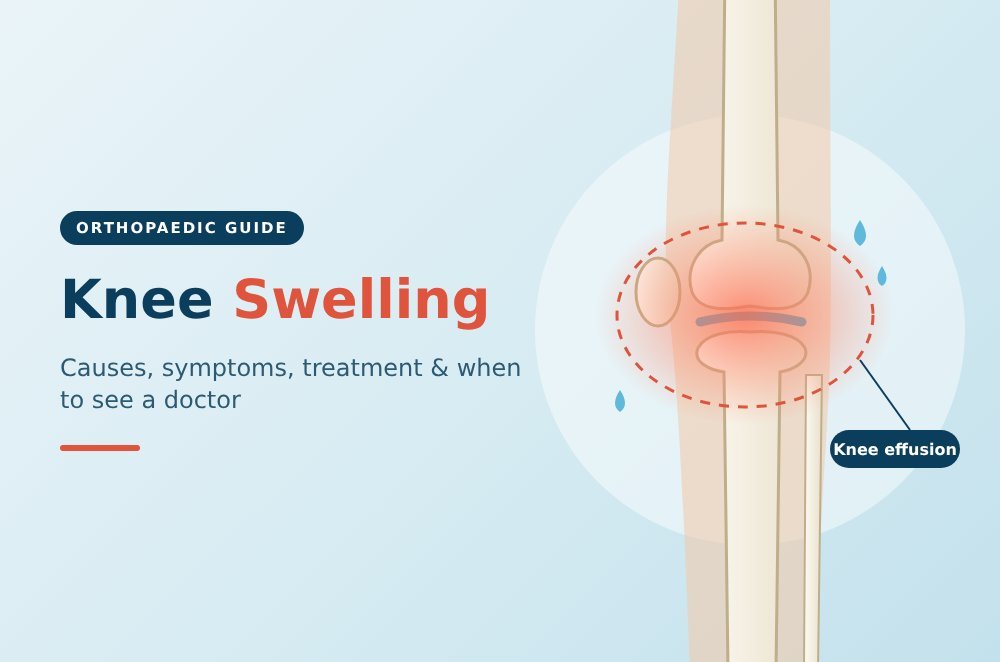
Knee swelling is one of the most common reasons people visit an orthopaedic surgeon. It can appear suddenly after a fall or injury, or gradually over weeks with no clear trigger. In either case, swelling signals that the joint is under stress. The swollen knee you notice is usually the result of excess fluid in…
Read More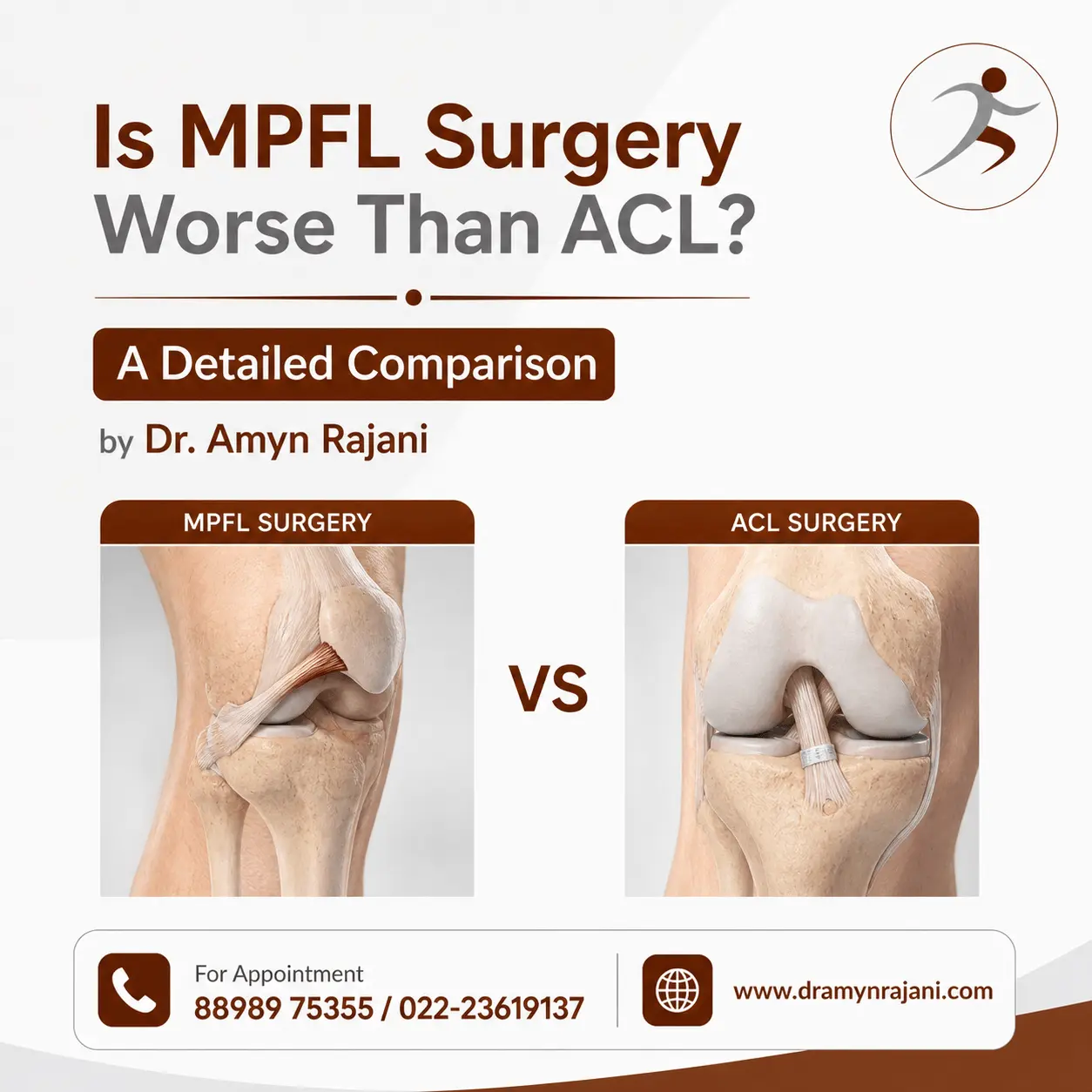
When faced with knee pain or instability, understanding your diagnosis and treatment options is crucial. Two common knee injuries that sometimes require surgery involve the Medial Patellofemoral Ligament (MPFL) and the Anterior Cruciate Ligament (ACL). A question many patients ask is, “Is MPFL surgery worse than ACL surgery?” The answer isn’t simple, as “worse” is…
Read More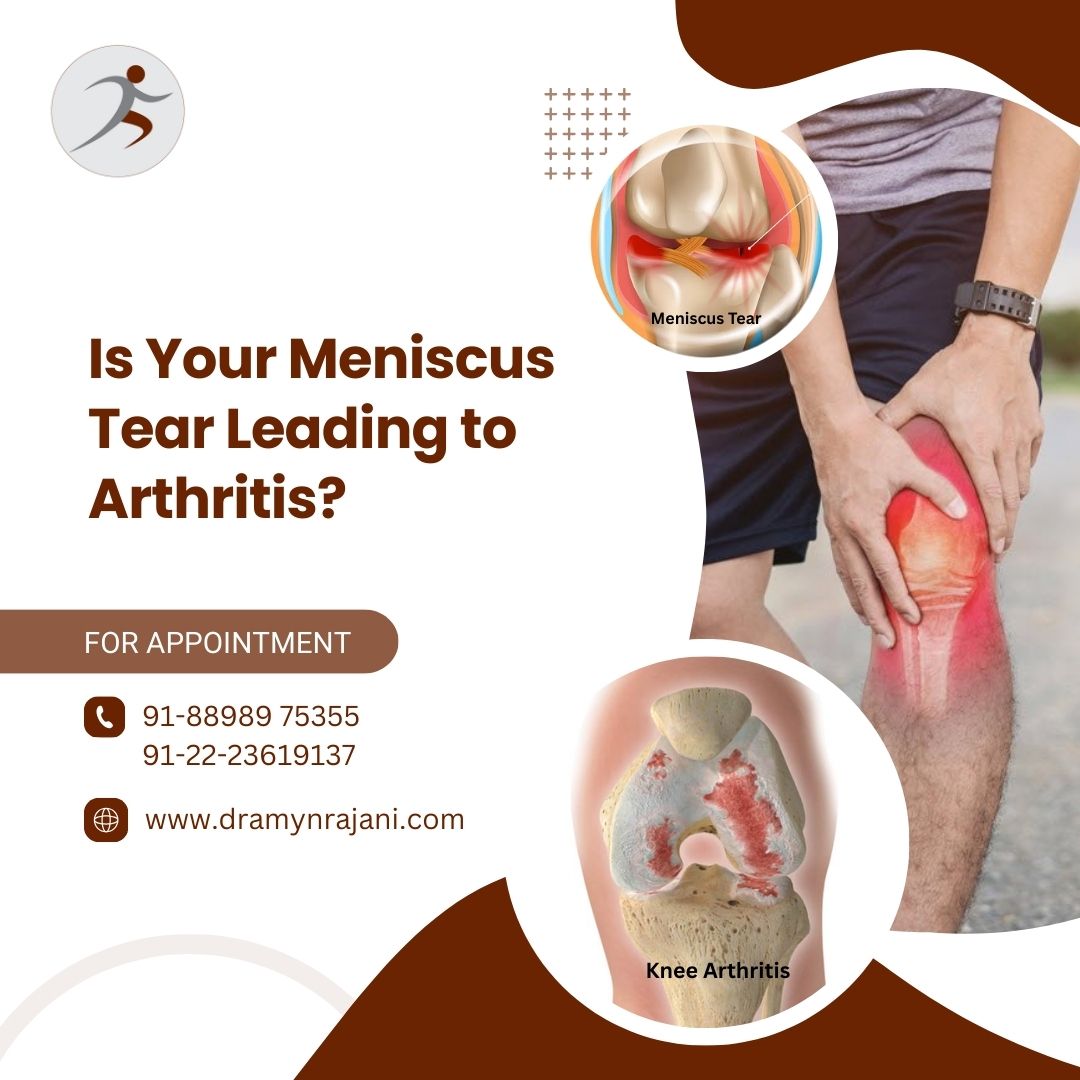
A sharp twist, a sudden pivot, a forceful impact – these are just a few ways a meniscus tear can occur. For athletes and active individuals, this common knee injury can sideline them and cause significant pain and discomfort. But beyond the immediate pain and limitations, many wonder about the long-term consequences. A crucial question…
Read More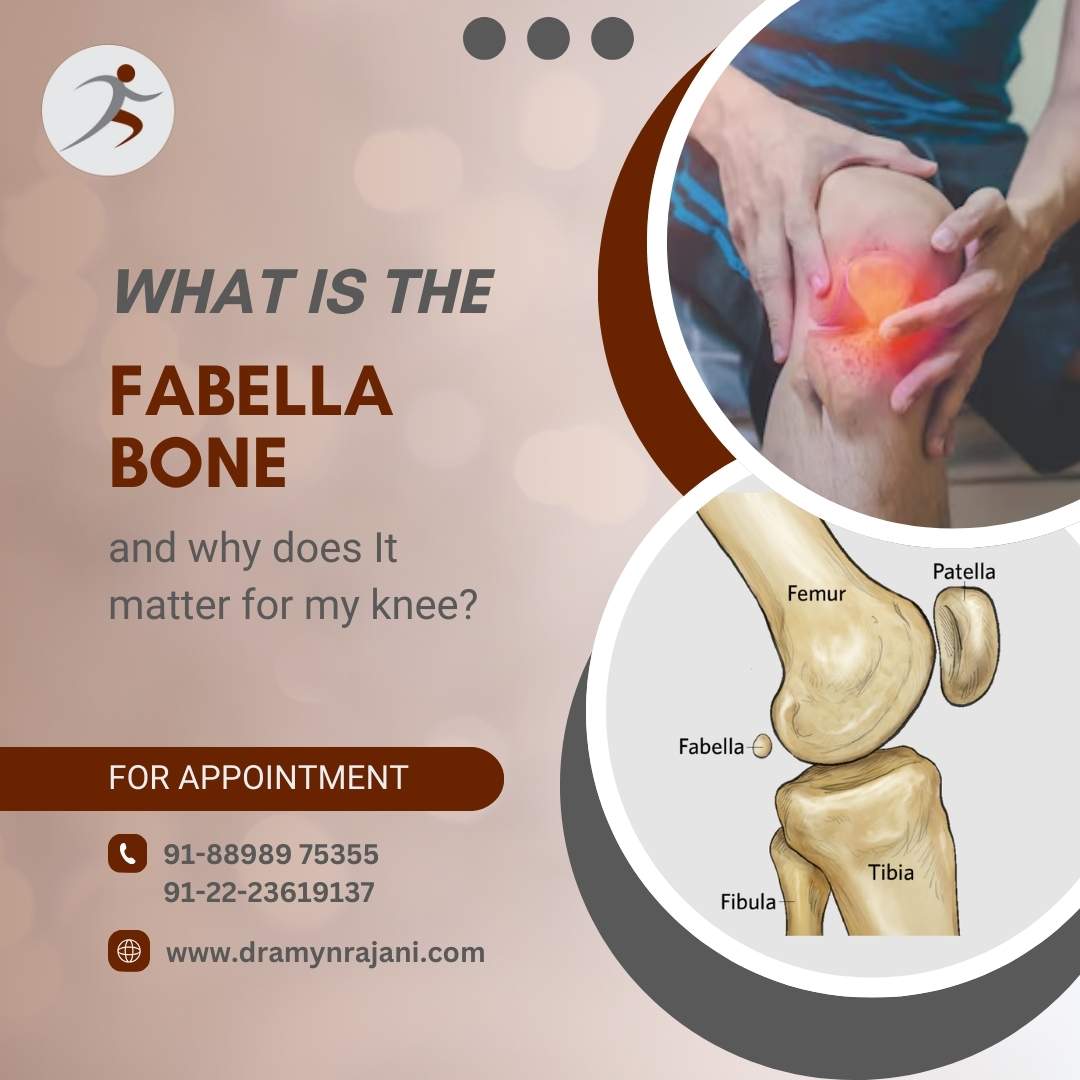
The fabella bone is a small sesamoid bone found at the back of the knee. Unlike the patella, or kneecap, it is present only in some people. In many cases, the fabella causes no symptoms and is found incidentally on a knee X-ray or scan. However, a problematic fabella can sometimes contribute to pain at…
Read More
Knee pain can affect walking, climbing stairs, exercising and everyday activities. It may develop gradually because of arthritis or begin suddenly after a fall, twisting movement or sports injury. Understanding when the pain started and what symptoms accompany it can help a doctor identify the possible cause. Two common causes are knee arthritis and injuries…
Read More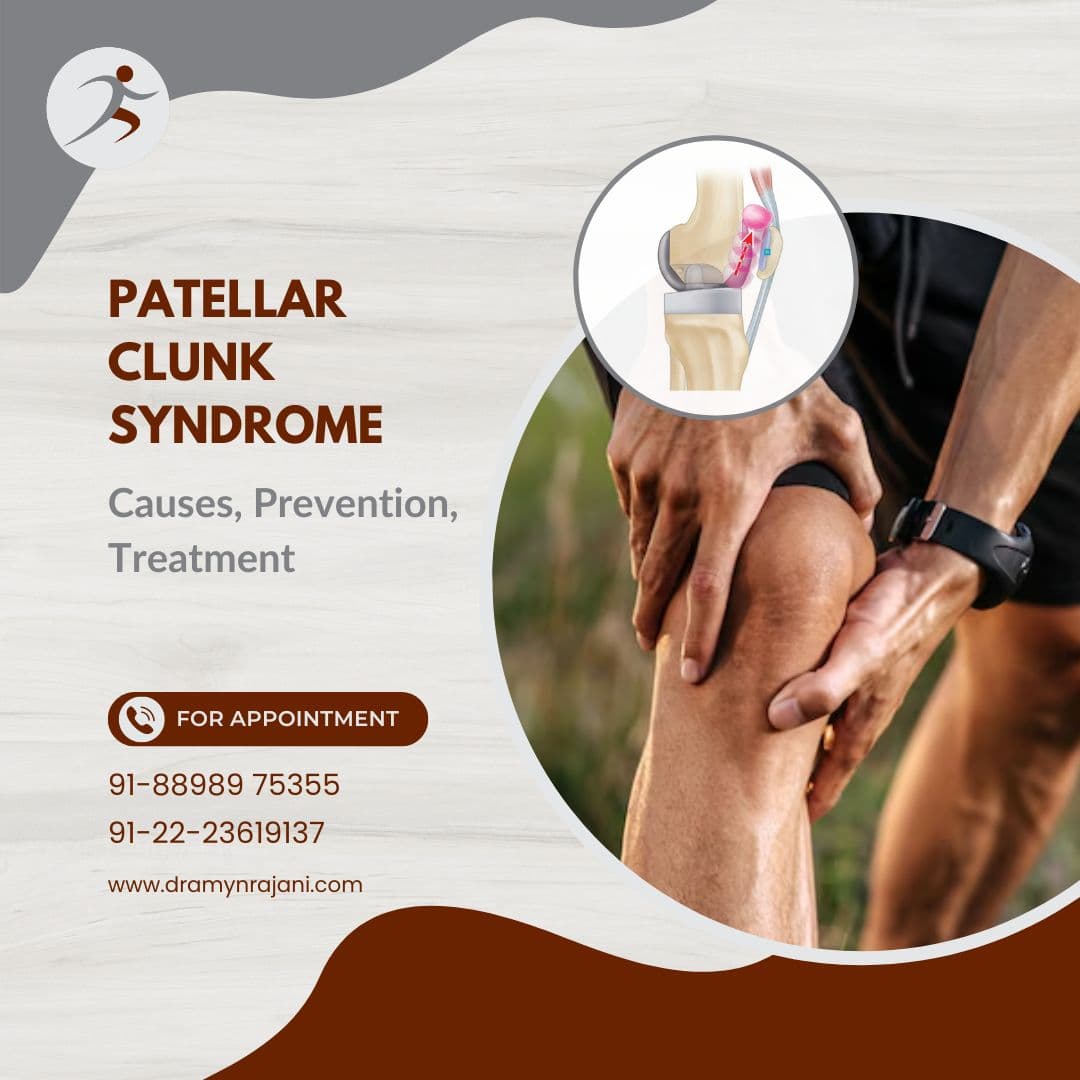
Patellar Clunk Syndrome (PCS) is a postoperative complication primarily associated with total knee arthroplasty (TKA), also known as knee replacement surgery. This condition can cause discomfort and functional limitations, and understanding its causes, prevention strategies, and treatment options is crucial for both patients and healthcare providers. If you experience symptoms suggestive of PCS, seeking the…
Read More